

Why Dental Care is Important for Dogs
Proper dental care is an essential component of pet health that is often overlooked. For dogs, maintaining oral hygiene is crucial not only for preventing bad breath but also for avoiding more serious health issues. Just like humans, dogs can suffer from a range of dental problems including plaque buildup, gum disease, and ultimately tooth loss. These common dental issues can lead to significant discomfort and affect your dog’s quality of life.
Plaque and tartar accumulation can lead to gingivitis, which if left untreated, may progress to periodontal disease. This condition not only causes pain and inflammation in the mouth but also has systemic repercussions. When bacteria from gum disease enters the bloodstream, it can affect major organs such as the heart and kidneys, leading to more serious health complications. Therefore, effective dental care is paramount in promoting not just oral health, but overall well-being.
Furthermore, dental issues can manifest in various ways, including changes in eating behavior, excessive drooling, and even behavioral changes like irritability. Regular dental check-ups and routine at-home care significantly reduce the likelihood of these problems arising. Additionally, studies have shown a direct correlation between oral health and systemic conditions; for instance, dogs with periodontal disease are at higher risk of developing heart disease and kidney issues. This highlights the importance of integrating dental care into your dog’s regular health maintenance routine.
In summary, prioritizing your dog’s dental hygiene can make a profound difference in their health and longevity. By ensuring routine dental check-ups and practicing regular at-home oral care, pet owners can help their canine companions maintain a healthy smile and a better overall quality of life.
Understanding Your Dog’s Teeth and Oral Structure
The anatomy of a dog’s mouth is both intricate and essential for their overall health. Understanding your dog’s teeth and oral structure is fundamental for effective dental care. Dogs possess four different types of teeth, each serving distinct functions. Incisors, found at the front of the mouth, are primarily used for nibbling and picking up small objects. Canines, situated next to the incisors, are longer and help in grasping and tearing food. Premolars, located behind the canines, are used for grinding and shredding food, while molars, found further back, continue this process during chewing. This diverse range of teeth plays a critical role in a dog’s ability to consume and process their food.
Furthermore, the dental structure of puppies considerably differs from that of adult dogs. Puppy teeth, or deciduous teeth, start to emerge around three weeks of age and are eventually replaced by adult teeth by six months. Adult dogs typically possess 42 permanent teeth, while puppies have only 28 temporary ones. Recognizing these differences is vital for pet owners who need to monitor both stages of dentition for signs of dental issues.
A healthy mouth in dogs generally includes pink, moist gums that do not exhibit swelling or inflammation. The absence of bad breath—aside from the normal dog odor—and the presence of clean, white teeth are additional indicators of oral health. Regular dental examinations by a veterinarian, coupled with a proactive home care regimen, can help ensure that your dog maintains good dental hygiene. As caring dog owners, knowledge of your dog’s dental structures empowers you to implement effective strategies for their dental health, paving the way for a bright and healthy smile throughout their lives.
Choosing the Right Tools for Brushing
When it comes to maintaining your dog’s oral hygiene, selecting the appropriate tools for brushing his teeth is crucial. Using products specifically designed for canine dental care ensures effectiveness and safety for your beloved pet. There are several options available, including finger brushes, regular dog toothbrushes, and electric toothbrushes, each offering unique benefits.
Finger brushes are a popular choice among dog owners because of their ease of use. These soft-bristled brushes fit over your finger, allowing for greater control when brushing. They are particularly effective for smaller dogs or those who are apprehensive about traditional toothbrushes. Moreover, finger brushes allow you to feel the amount of pressure applied during brushing and to navigate difficult areas in your dog’s mouth more easily.
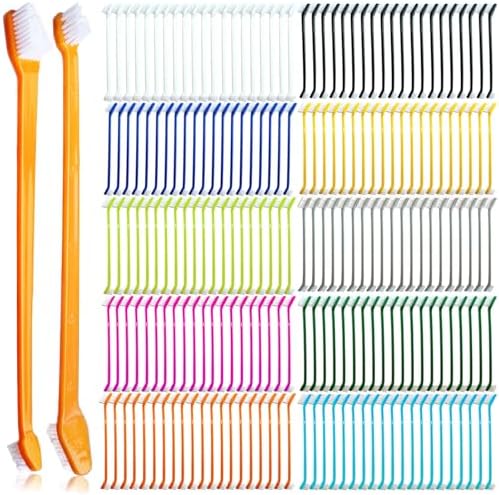
For those looking for a more conventional approach, regular dog toothbrushes are available in various shapes and sizes. These toothbrushes are designed with long handles and angled heads to reach back teeth more comfortably. They typically feature soft bristles that are gentle on your dog’s gums while effectively removing plaque and tartar. Consider selecting a dual-headed toothbrush, which offers convenience by featuring different sizes for different areas of your dog’s mouth.
Electric toothbrushes for dogs have gained popularity due to their efficiency in promoting clean teeth. These brushes often come with features like timers to ensure adequate brushing time and multiple speed settings, catering to even the most sensitive dogs. When opting for an electric toothbrush, ensure the bristles are soft and specifically designed to avoid causing discomfort.
Equally important is the selection of toothpaste. Always choose dog-specific toothpaste, as human varieties contain ingredients that can be harmful to pets. Look for brands that use safe, natural ingredients and avoid artificial sweeteners such as xylitol. Many options are flavored to please dogs, making the brushing experience more enjoyable for them. Notable brands in this category include Vet’s Best, PetSmile, and Nylabone.
By selecting the right tools, you can establish a successful dental care routine that keeps your dog’s smile healthy and bright.
How to Introduce Your Dog to Teeth Brushing
Introducing your dog to teeth brushing is a crucial step in maintaining their oral health and ensuring they feel comfortable during the process. It is essential to approach this task with patience and a positive demeanor, as a gentle introduction will help your pet adapt more readily to this new routine. The first step is to create a calm environment. Choose a quiet space where your dog feels at ease, as familiarity will help reduce anxiety.
Start by allowing your dog to become accustomed to the toothbrush and toothpaste. Choose a toothbrush designed for dogs, which features soft bristles and a comfortable grip. Begin by letting them sniff and taste a small amount of the dog-friendly toothpaste, as this will make the experience more enjoyable. Once they show interest, you can proceed to gently lift their lips and brush a few teeth at a time. Smoothly work your way along the gum line, ensuring not to apply excessive pressure, as this may cause discomfort.
It’s vital to employ positive reinforcement throughout this process. Offer praise, treats, or even a favorite toy after each successful brushing session, regardless of how short it may be. This will help your dog associate teeth brushing with a rewarding experience. If your dog expresses signs of anxiety, such as growling, pulling away, or panting, it’s essential to stop the session immediately and reassure them. Pay attention to their body language, and adjust your approach accordingly. Gradually increase the duration of the brushing as your dog becomes more comfortable, allowing for a stress-free routine.
With consistent practice and a gentle, encouraging approach, your dog will begin to accept teeth brushing as an integral part of their grooming regimen. Establishing this habit early can lead to a lifetime of healthy teeth and gums.
Step-by-Step Guide to Brushing Your Dog’s Teeth
Establishing a routine for brushing your dog’s teeth is crucial for maintaining their oral health. Begin by ensuring both you and your dog are in a comfortable position. It is advisable to have your dog sit or lie down, preferably on a non-slippery surface to prevent any accidents. You may kneel beside them or sit directly in front of them, allowing you to have easy access to their mouth while providing reassurance throughout the process.
Before starting, select a toothpaste that is specifically formulated for dogs; human toothpaste can be toxic to pets. Apply a small amount of the pet-friendly toothpaste onto your finger or a soft-bristled dog toothbrush. Gently introduce your dog to the taste by letting them lick it off your finger to help them associate brushing with a positive experience.
When you’re ready to begin brushing, lift your dog’s lip to expose their teeth. Start with the outer surfaces of the teeth, where plaque and tartar are most likely to accumulate. Utilize small, circular motions to gently clean each tooth, ensuring you reach the back molars where food residue often becomes trapped. The brushing process should be gradual, and it may take some time for your dog to adjust.
Once the outer surfaces are clean, focus on the inner surfaces and the chewing surfaces of the teeth. For all steps, keep your motions smooth and gentle to maximize comfort for your pet. Aim to brush your dog’s teeth at least two to three times a week, but daily brushing is ideal for optimal dental hygiene.
Common mistakes to avoid include applying too much pressure, neglecting to brush the back teeth, and failing to make the experience enjoyable for your dog. By following these steps and maintaining a consistent routine, you can significantly improve your dog’s dental health and overall well-being.
Alternative Dental Care Options
Maintaining optimal dental health for your dog encompasses various methods beyond regular brushing. While brushing remains the gold standard for canine oral hygiene, alternative dental care options can effectively support and enhance your pet’s dental regime. These alternatives include dental chews, water additives, and professional cleanings, each offering distinct advantages and disadvantages.
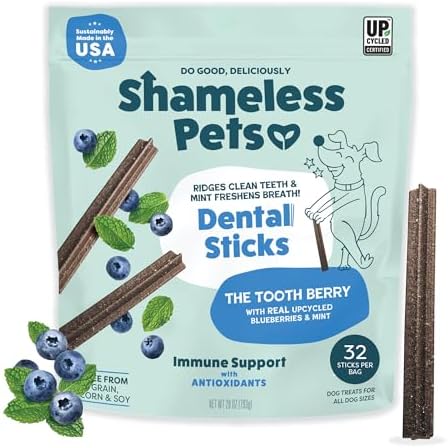
Dental chews are popular among pet owners for their dual function of treating dental issues while simultaneously satisfying a dog’s natural urge to chew. These chews often contain ingredients that help reduce plaque and tartar buildup, contributing to fresher breath and healthier gums. However, pet owners should select chews that are designed specifically for dental health and consult their veterinarian to determine the appropriate size and type, as some chews may pose a choking hazard or lead to digestive upset in certain dogs.
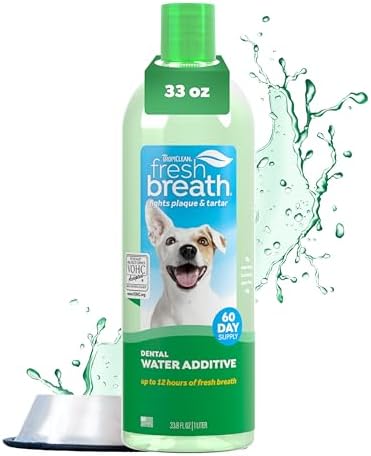
Water additives represent another convenient option for enhancing dental hygiene. These solutions can be added to your dog’s water bowl and work by dissolving plaque and combating bacteria in the mouth. Water additives can be particularly beneficial for dogs that are resistant to traditional brushing methods. Nevertheless, pet owners should be cautious to choose products that are free from artificial colors and contain safe, veterinarian-approved ingredients to ensure their pet’s well-being.
Seeking professional dental cleanings is essential for dogs, allowing for thorough examinations and cleanings that may not be achievable at home. Veterinarians are equipped to remove stubborn tartar and check for underlying dental issues. However, this option can be more expensive and may require anesthesia, which necessitates careful consideration of your dog’s overall health and medical history.
In summary, integrating these alternative dental care methods can create a comprehensive dental care routine that works in tandem with regular brushing, ensuring your dog enjoys a healthy and bright smile.
Signs Your Dog Needs Professional Dental Care
Maintaining your dog’s dental health is crucial for their overall well-being. Dogs cannot communicate their discomfort, which makes it incumbent upon pet owners to be vigilant for any symptoms indicating the need for professional dental care. One of the first warning signs to watch for is bad breath, which can arise from underlying dental diseases such as periodontal disease or tooth decay. Unpleasant odors emanating from your dog’s mouth are not just a nuisance; they often point to a deeper issue requiring veterinary attention.
Swollen or bleeding gums are another critical sign that your dog may need dental care. Healthy gums should be pink and firm, while swollen gums can indicate gingivitis or worse dental conditions. Observing changes in your dog’s eating habits can also provide insight into their dental health. If your dog seems to struggle while chewing, frequently drops their food, or expresses reluctance to eat altogether, these behaviors may suggest pain or discomfort related to their teeth or gums. Immediate veterinary consultation is recommended in these cases.
Additionally, excessive drooling, when not caused by heat or excitement, can signal dental problems. This could indicate that your dog is experiencing pain in their mouth, and the drooling may be their body’s way of coping with discomfort. Regular veterinary check-ups play a crucial role in preventing dental issues before they escalate. Routine examinations can help in the early identification of dental diseases, allowing for timely interventions and maintaining oral health. It is essential to remain aware of these signs to ensure your dog receives the professional dental care they need for a healthier, happier life.
Maintaining Regular Dental Hygiene Routines
Establishing a regular dental hygiene routine for your dog is essential for ensuring their overall health and well-being. Just as humans benefit from consistent oral care, dogs require a structured approach to maintain their dental health. One of the most effective ways to ensure your dog’s teeth remain healthy is by setting a consistent brushing schedule. Aim to brush your dog’s teeth at least two to three times a week, although daily brushing is preferable for optimal results. Start by choosing a specific time each day, making it part of their regular routine.
Incorporating dental treats can complement your brushing schedule and help reduce plaque buildup. Look for products approved by the Veterinary Oral Health Council (VOHC), which indicate efficacy in promoting oral health. These treats can serve as a rewarding finish to a successful tooth brushing session, helping to motivate your dog and make the process more enjoyable.
Additionally, regularly inspecting your dog’s teeth and gums at home can help catch potential issues early. Check for signs of tartar accumulation, redness, or swelling of the gums, and any unusual odors that might indicate dental problems. Being proactive about your dog’s needs will allow you to adjust your dental hygiene routine based on their age, breed, and specific dental health requirements. For instance, older dogs or specific breeds may require more frequent brushing or specialized dental care products that cater to their unique needs.
Incorporating these practices into your dog’s daily life will not only enhance their dental health but also contribute to a stronger bond between you and your furry companion. Regular, attentive care will ensure your dog remains healthy and maintains a bright, happy smile.
Frequently Asked Questions About Dog Dental Care
As dog owners become increasingly aware of the importance of dental care, several questions often arise regarding the best practices to ensure their pets maintain a healthy smile. One common concern is how often one should brush a dog’s teeth. Veterinarians recommend brushing at least two to three times per week to prevent plaque buildup and to promote oral hygiene. However, daily brushing is ideal for optimal dental health, ensuring that particles and plaque do not have a chance to form.
Another frequently asked question centers around the effectiveness of brushing compared to other dental care methods. While chews, dental diets, and water additives can contribute to oral health, they should not replace regular brushing. Brushing directly removes plaque and tartar from the tooth surfaces, providing a level of cleanliness that these alternatives alone may not achieve. Therefore, incorporating brushing into a broader dental care routine can yield the best results for a dog’s oral hygiene.
Pet owners often seek product recommendations for canine dental care. It is essential to use toothpaste specifically formulated for dogs, as human toothpaste can contain harmful ingredients like xylitol. Many brands offer dog-friendly pastes in flavors that appeal to pets, making the brushing experience more palatable. Additionally, using a soft-bristled toothbrush or finger brush can help to gently clean their teeth without causing discomfort. Regular veterinary check-ups can also assist in identifying specific dental products and methods tailored to a dog’s unique needs.
By regularly addressing these common questions and staying informed about proper dental care protocols, dog owners can better support their pets’ overall well-being and dental health. This proactive approach is vital in maintaining a dog’s oral hygiene and preventing more serious health issues down the line.